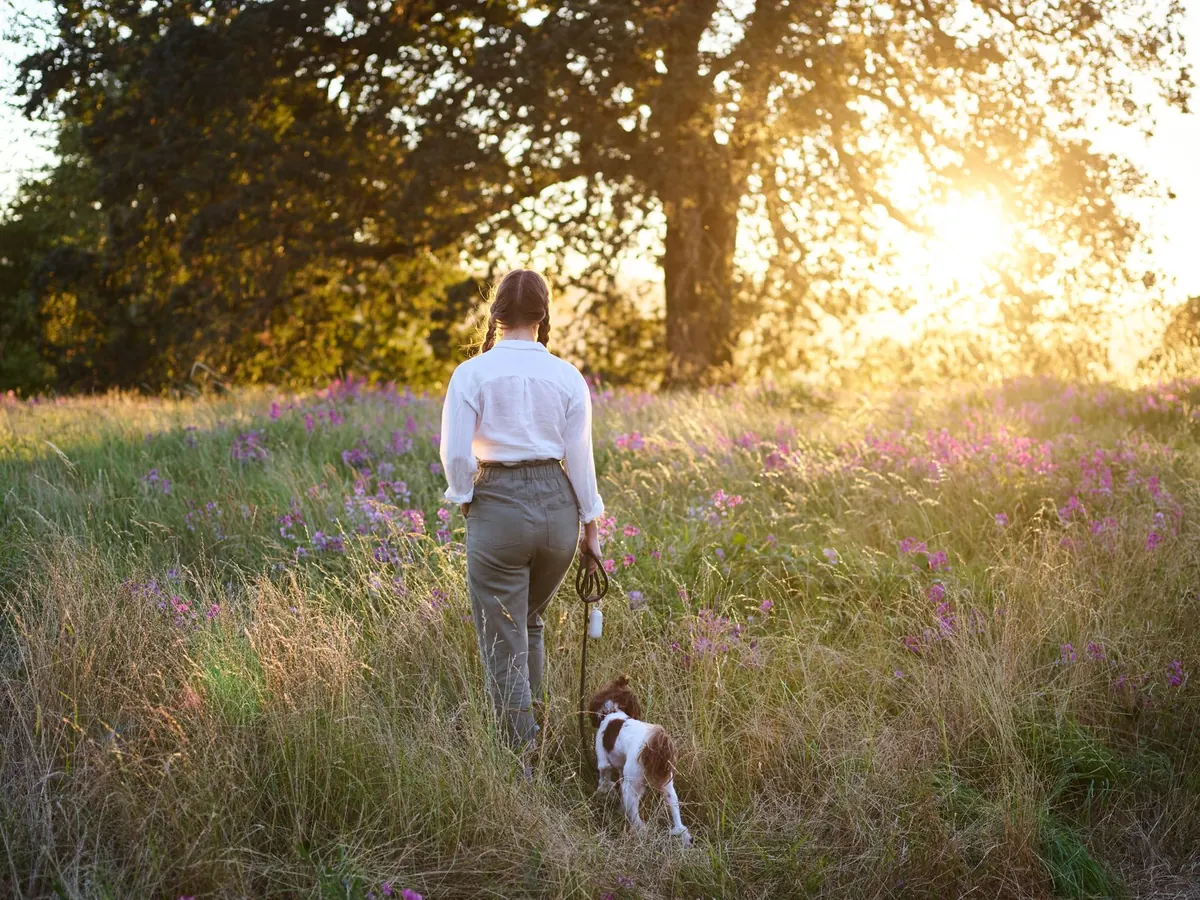
How to Find Local Wildflower Walks for a Late-Summer Weekend
Late August has a sound to it. Dry grass ticking in the wind, a few cicadas holding on, and the low hum of bees working a stand of goldenrod. Wildflower season does not end when the coneflowers fade; it changes hands. The tall, late-summer plants take over — the ones that feed the last pollinators before frost — and they are usually closer than you think.
You do not need a long drive to a famous preserve. You need the right kind of ground, a little local knowledge, and a free Saturday morning.
Start With Habitat, Not Flower Names
Most people search for wildflowers by name. That is backwards. Search for the conditions that produce them, and the flowers show up on their own.
Late-summer bloomers want sun, open space, and soil that has been left alone for a season or two. That means old fields, wet meadows, pond edges, the shoulders of quiet roads, powerline corridors, and the grassy margins of rail trails. These places are common and often unglamorous, which is exactly why they stay quiet on a weekend.
Four sources will cover almost any county in North America:
- Your county or municipal GIS map. Search for terms like "parcel viewer" plus your town name. Look for large undeveloped parcels, wetlands, and conservation easements.
- A local land trust. These groups protect small properties that never appear on tourism lists, and many publish trail maps online.
- Your state or provincial wildlife agency. Wildlife management areas are usually open to walking and are managed with mowing and burning that favor wildflowers.
- iNaturalist and similar observation apps. Filter recent observations by date and location to see what is blooming within a short drive right now.
Where Late-Summer Color Actually Hides
Wet meadows and pond edges
These hold color longest into September. Joe-Pye weed, boneset, ironweed, and swamp milkweed all like damp feet. Look for the soggy corner of a park where the mower gives up, or the strip between a pond and its access road.
Rail trails and old rail beds
A rail trail's best flowers are rarely in the middle of the path. They grow in the rough band just beyond the gravel — sometimes only three or four feet wide. On heavily maintained sections, that band gets mowed flat. On quieter stretches, it can run for miles. Check trail maps for sections marked as unpaved or lightly maintained, and walk those.
Utility corridors and un-mowed roadsides
Powerline cuts are accidental prairies. Periodic cutting keeps them open and sunny, which suits asters, goldenrod, and blazing star. In many places these corridors cross private land, so check your regional rules before wandering in, and stay on established paths. The same goes for rural roadsides: a slow walk along a quiet shoulder in early morning is often more productive than a crowded nature center.
A Weekend Plan You Can Run in an Hour
- Draw a radius of 20 to 30 minutes from home. Pick three candidate spots, not ten.
- Cross-check two sources. If a land trust map and a satellite view both show open ground near water, that is your first stop.
- Use satellite imagery to spot the seam. Transitions — field to forest, meadow to marsh — hold the most species in one place.
- Confirm access and parking. A quick call to the town office or parks department settles it. Small preserves sometimes have no lot and no signage.
- Walk the first hundred yards slowly. Most people rush past the best patch on the way to somewhere else.
- Note what you saw and when. A two-line note in your phone builds a personal bloom calendar by next summer.
What Should Be Blooming
In much of the Northern Hemisphere's temperate zone, the late-summer roster runs roughly like this: goldenrod in several species, New England and heath asters, Joe-Pye weed, ironweed, boneset, blazing star, sneezeweed, oxeye sunflower, and the last of the coneflowers and black-eyed Susans. Along roadsides, chicory and Queen Anne's lace keep going until frost. In wet ground, milkweed pods are fattening and the flowers are done.
Two things shift the timing. Latitude and elevation both delay bloom, so a spot an hour north or a few hundred feet higher may be two weeks behind. And dry years push everything earlier and shorter. If your usual meadow looks tired, head uphill or toward water.
One note on goldenrod: it is pollinated by insects, not wind, and its pollen is heavy and sticky. If your late-August allergies are flaring, the usual suspect is ragweed, which blooms at the same time and looks far less interesting.
Timing, Light, and Weather
Go early. Flowers open with the day, pollinators are most active before the heat builds, and the light is softer for photographs. Overcast mornings are better than bright ones — no blown highlights, and colors read truer. The day after rain is a good bet, since everything is fresh and the dust is down.
Midday in late August is genuinely hot in most places, and a meadow offers no shade. Plan a short loop rather than a long one, and treat the walk as an hour, not an afternoon.
Field Etiquette and Comfort
- Stay on trails in preserves. Trampled meadows take a season or more to recover, and some plants are rare.
- Do not pick flowers. On public land it is usually prohibited; on any land, the bloom is the point.
- Dress for ticks and brush. Long pants tucked into socks, closed shoes, and a check of your legs and clothes afterward. If you find an attached tick or feel unwell in the following days, contact a healthcare professional.
- Learn three plants to avoid touching: poison ivy, poison oak, and stinging nettle. Wash exposed skin with soap and water if you brush against them.
- Carry more water than feels necessary, plus a hat and insect repellent.
Keep a Running List
The real payoff comes next year. Jot down the spot, the date, and one or two plants you recognized. By the second August you will know which meadow peaks first, which rail trail holds color into September, and which pond edge is worth the drive. That short list is more useful than any guidebook, because it is specific to your roads, your weather, and your weekends.
Start with one place this Saturday. Walk slowly, look at the edges, and let the season tell you when to come back.
Photo: ArtHouse Studio / Pexels
You Might Also Like
A practical first-timer's guide to day hiking: choosing a trail that fits you, layering for changing weather, and packing a day pack with the right essentials.
A practical guide to the fit, color, fabric, and detail choices that make outfits look flat and tired — plus quick fixes you can do today.